Life Aboard

V-Berth Airflow

Airflow in our V berth is nonexistent. At anchor, the hatch provides some ventilation for our heads, while our feet remain stagnant. In a rough seaway, the hatch remains dogged down and all airflow stops.  

Thos leads to mold and mildew in the forward cabin, which could all be remedied by better airflow.  

FullSizeRender.jpg

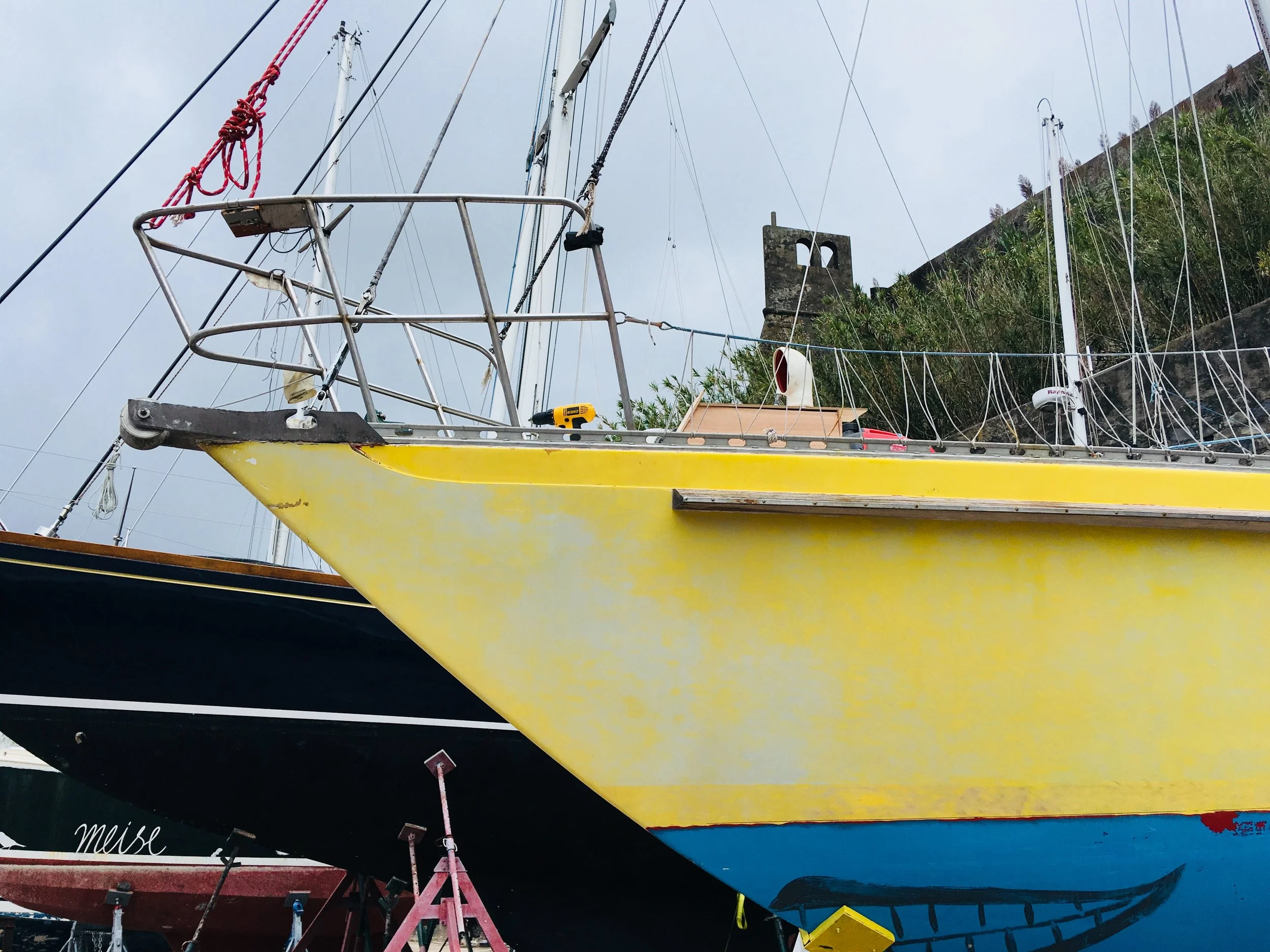
The plan is simple, add a Dorade box and cowl vent forward of the V berth to bring fresh air into the forward cabin. This should help freshen the cabin and impede the growth of molds. 

FullSizeRender.jpg

The problem is, waves and rough weather breaks over the bow first, making it critical that the Dorade box work perfectly to keep water from getting into the cabin.  

Stay tuned as the Dorade box takes shape and the airflow issue becomes resolved.  
Dorade Template

To increase airflow in the forepeak, we want to add a vent. This vent will be in one of the most challenging areas, as well as one of the most necessary areas. 

The cowl needs to only let in air, and perfectly separate out water. Any water that comes through would then drip on our bed. Thankfully I had just finished designing a baffle system that will properly separate out the air from the water.  

FullSizeRender.jpg

The dorade box fits nicely up next to our inner forestay, while keeping the the cowl in clear air while the sails are down. 

FullSizeRender.jpg

Space on the deck is a premium, so finding a place that it fits the box well without impeding other deck hardware is imperative. 

Space needs to exist for the windlass to operate, as well as space to stow the sails when they are flakes on the deck.  

FullSizeRender.jpg

This plywood template served a useful purpose of allowing us to actually see what it will look like on the deck before anything gets cut or glassed.  

Nos that we have found the perfect spot, it is time to build the real deal and glass it to the deck.  

Visiting New York

One of the benefits of cruising is that you can afford to travel. Wisdom is currently in the Azores, and to not overstay our visas, we had to return to the United States by plane while she is being repainted. While back in the States, we took advantage of our proximity to New York City for a little city exploration.

IMAGE.JPG

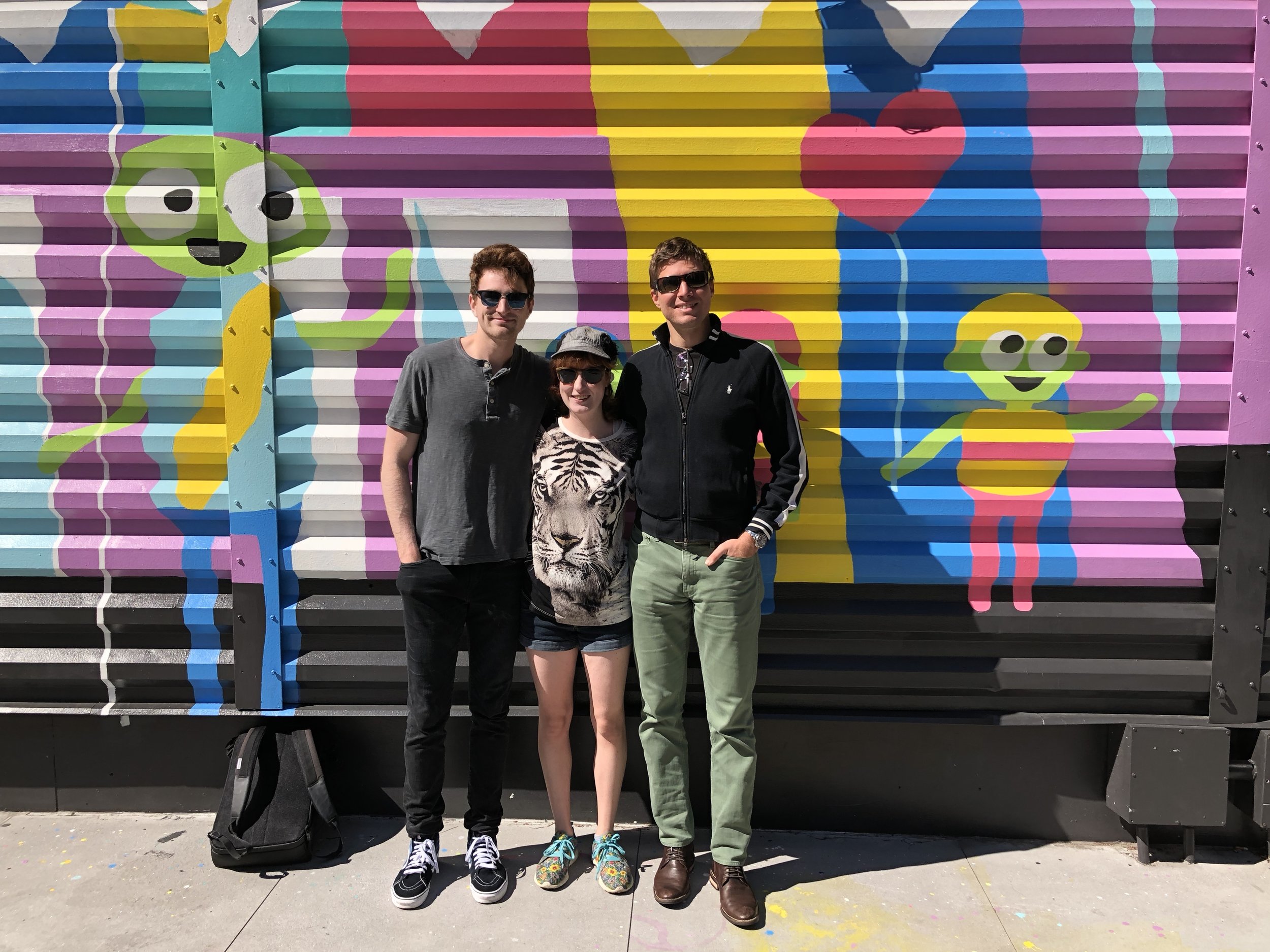
Maddie’s brother lives in New York, so we also got to visit with him! Having a local show you around is always better than wandering around aimlessly. He took us through cool murals and interesting parks as we visited the key sights and experiences that make a trip to New York complete.

IMG_3310.JPG

It sure is a different world than the one Maddie and I are used to. Instead of clouds obscuring the sun, it’s the tall peaks of buildings that reach up into the sky. Small streets in tiny ports that we anchor near are a far cry from the busy streets of this city.

All the hustle and bustle is fun for us to visit, but we do enjoy the peace and tranquility that we get when we are at the boat. Being in a busy city sure does make you appreciate the solitude of the open ocean even more.

Thomas, the Tomato Plant

Ocean passage making is hard on land based plants, but this hardy tomato plant seems to have made the journey!

FullSizeRender.jpg

Thomas, our tomato plant, was first sprouted in Florida, and has since made the long journey across the Atlantic and over to the Azores.

He started off life with lush green leaves that begged for sun, but with sun exposure also came salt spray. As Thomas grew, so did the concentration of salt crystals in his dirt, until the level in his pot became too harsh for him to thrive.

Leaves started turning brown and his branches became blunted, but Thomas kept trying to fruit. Eventually, little flowers formed and it seems that all his energy went into sustaining them. The remaining leaves withered away as the green tomatoes began to turn red.

Thomas is currently a dried up stick which produced a handful of tomatoes in his lifetime. We plan to make some changes for Thomas II, such as a blocked out container, and to get the plant thriving before we head out to sea.

Steel Squarerigger

While visiting New York City, we stumbled upon this old square rigger. Unlike the wooden tall ships that we have encountered over the years, this one was built out of steel!

IMG_3326.JPG

Steel boats hare their distinct advantages, being a very strong but also thin material to build the hull. You can see that over the years though, corrosion has played a role in the stem and cutwater of this ship. The pitted appearance of the old steel tells of its age like the patina that forms on a bronze port light. It’s not shiny, but its age displays its beauty.

At first glance, I didn’t really notice the pitted nature of the steel plates, but then when compared to the new smooth steel plates that have mended the hull, the story of time becomes evident and powerful.