
How to Start a Diesel Heater

Dickinson Heaters have a bad reputation for being hard to light. If you read their instructions, you will also find them hard to light. If you don't follow their instructions, you will find them very easy to light and operate!

The instructions from Dickinson run along these lines:

Turn on the fuel metering valve
Flow 2 tablespoons of fuel into the burning chamber
Turn off the fuel metering valve
Twist a piece of paper like a wick and place it in the puddle of fuel
Light the paper
Once the oil has lighted, close the door
Set the fan to medium speed
Slow the fan down to low speed
Watch the flames rise above the burner ring
Watch the flames begin to fall below the burner ring
Turn the fuel metering valve on again
Set the metering valve to 2.5 and turn off the fan
Wait 20 min to begin adjusting the fuel metering valve

The other option is to not follow their instructions:

Turn on the fuel valve (set it to 1)
Wait a minute while fuel flows into the burner pot
Light the fuel with a BBQ lighter
Close the door and enjoy the heat
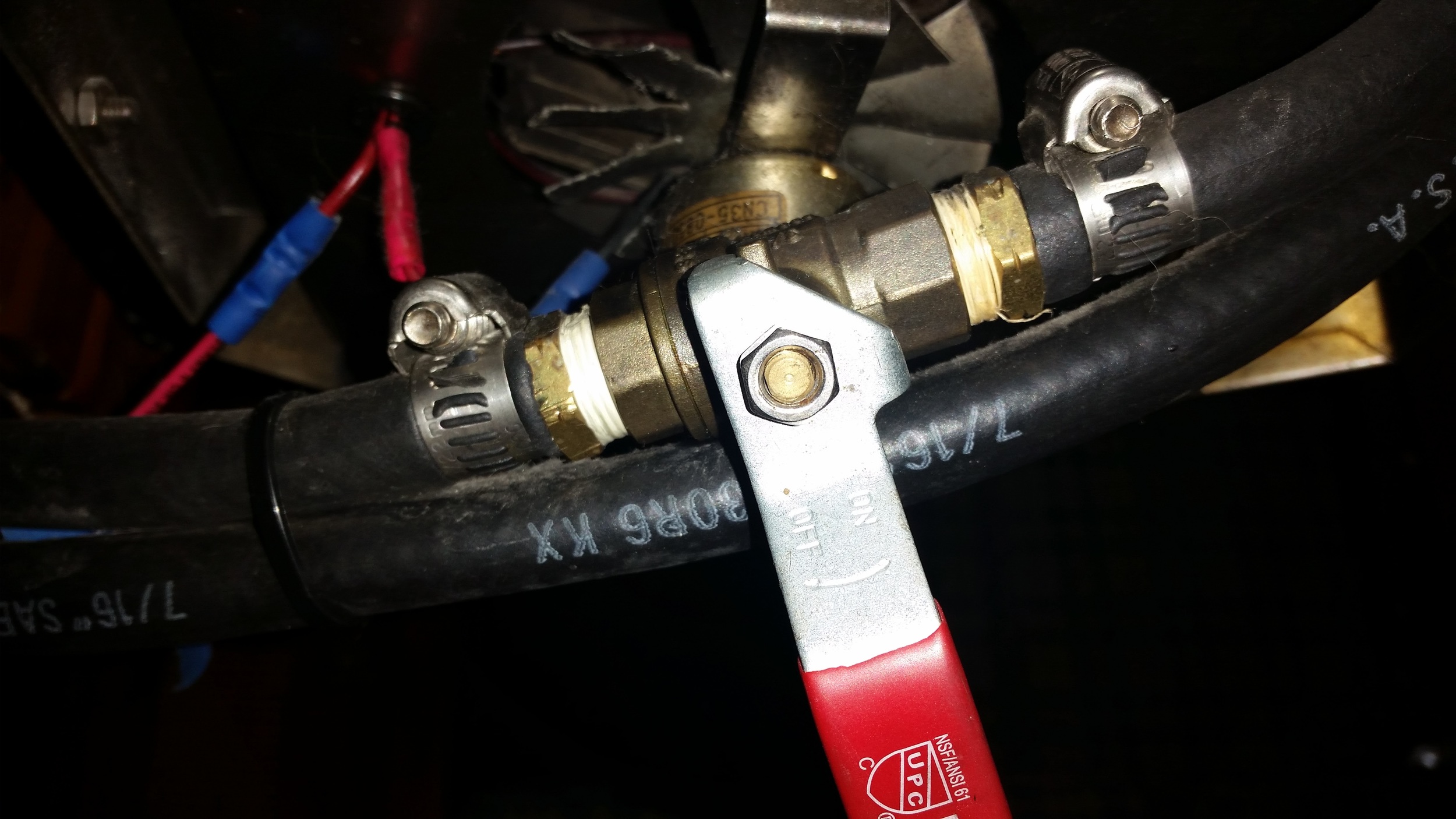
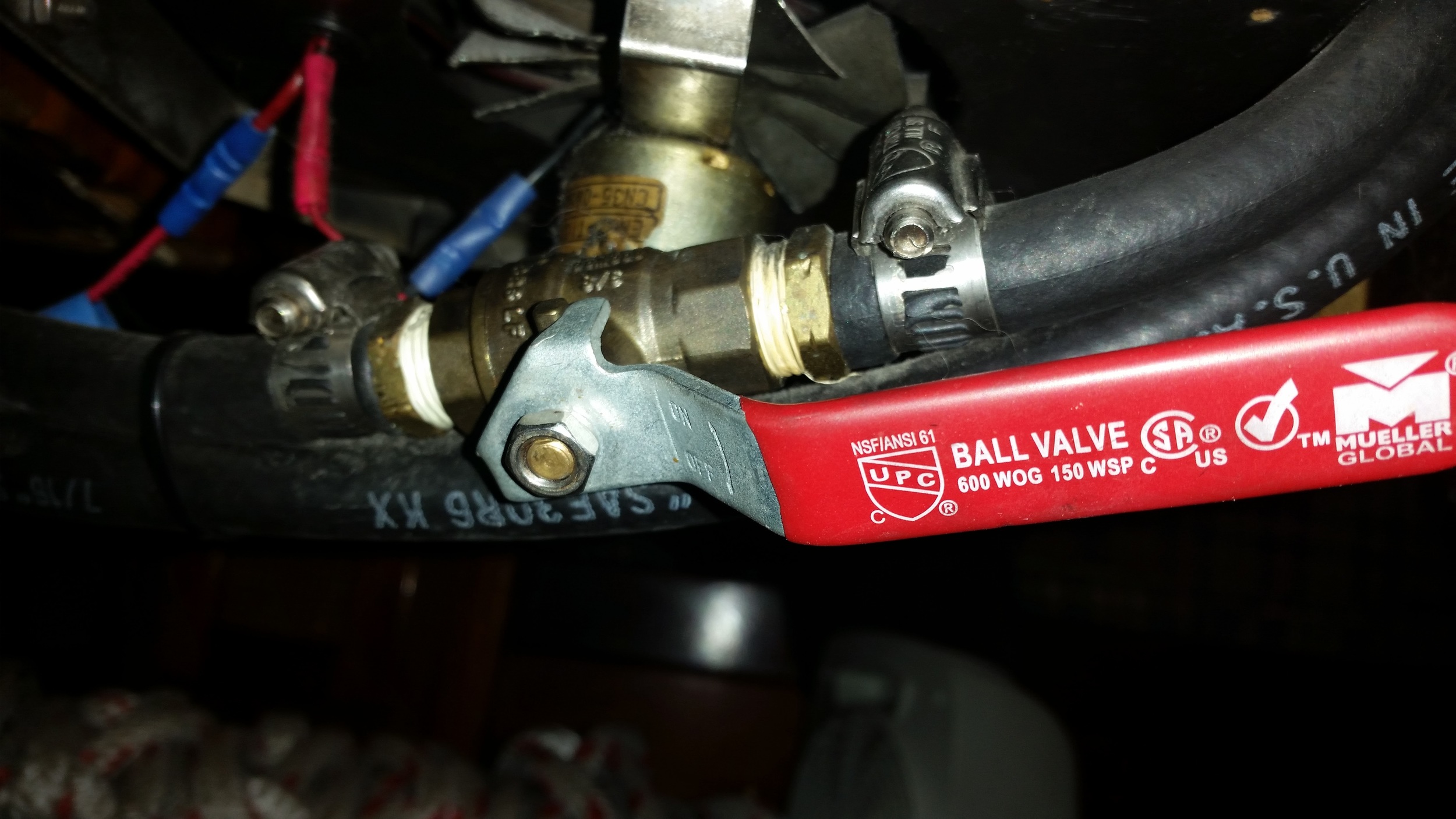
20160205_071844.jpg

I never mess with the fan and the ash in the bottom of the burner from previous burning will act as the wick for the diesel. It's even simpler when you incorporate a fuel shut off valve. When we leave the boat for a long period of time, we shut the heat off by closing the valve. This way the perfect burning setting on the fuel metering valve is untouched.

When we come home, we simply open the valve under the unit and let the fuel start flowing back into the heater. Once the fuel begins to burn in the chamber, it will resume it's perfect burning level in a few minutes.

We find that the heater can warm the freezing boat to a wonderful 76F in about 10 minutes!

Quick Shortsplice

When you need to connect two ropes and can't have the bulk of a knot, splicing becomes your only option. If the ropes you are connecting are for low load, you can skip the precise way of making a short splice and go for the quick and dirty, easy short splice!

I used this splice while I was making the rope fenders, not much load and a very easy connection to allow me to keep working.

Simply splice one line into the other burying all the strands. Then release the other lines strands and splice them into the first line. You will now have a very quick and dirty short splice!

Drafty Companionway

upload.jpeg

Winter is upon us and heat is an important property to keep inside the cabin. Companionways are wonderfully designed to keep water out, but they are great at letting cold air in. 

When a cold wind seems to cut through the companionway, the best solution is to add some insulation. The offending feature of the companionway is usually the sliding hood. The slats will do a good job of keeping the cold air out, but the air will rush between the top slat and the hood. The next biggest offender will be the sides where the hood slides.

To mitigate these downfalls in companionway design, I stuff a blanket into these weak points. The blanket will slow down or stop the flow of cold air into the cabin.

This blanket does not pose a safety hazard as it can very easily be pulled clear to open the hood, but it does make life close to this area much more comfortable.

Cultured Pet Life

Landlubbers have expressed concern about raising a dog inside a sailboat. Common concerns hint towards the lack of space for the dog to run around, or the lack of stimulation found inside a boat, or the fact that there isn't anywhere for a dog to be a dog. 

Granted, most of these people have never stepped foot inside a boat before, I think they assume that we live in this:

upload.jpeg

When cruising, Morty greatly enjoys lounging with us in the cockpit, but we encourage him to run around and play on deck during calm hours. Cruising also exposes him to all kinds of new places! There is a fresh supply of people to pet him and trees to pee on every time we make landfall. When we are in port, he gets plenty of exercise from his long walks along the shore. 

upload.jpeg

When he is alone in the boat, he has plenty of beds to sleep in (which is his version of being a dog).​

upload.jpeg

My final counter argument to the nay sayers of a dog permanently on board a boat is this:​

upload.jpeg

Morty lives such a cultured life that he has taken to theater! Our little boat dog is now a little thespian! ​

Maddie takes him on many adventures during the day including a dress rehearsal where he immediately stole the show by running up on stage when one of the characters fell. 

Maddie takes him on many adventures during the day including a dress rehearsal where he immediately stole the show by running up on stage when one of the characters fell. 

FIN

Hydronic Heat

Baseboards heaters that run on hot water are very quiet and efficient at giving off heat. There is little risk of fire from these units, and are safe to touch (but I wouldn't hug one of these units, it will get hot after a while).

Hydronic Heat works by flowing hot water through metal that will transfer the heat to the surrounding air. This is a passive method of heating, as there are no fans or noise. As the air heats up, it rises and leaves the unit, drawing in cold air to the bottom of the unit. 

They work very well and can heat up a small space effectively as long as they have appropriate air flow. If they are tucked away behind something or if clutter blocks air from entering the bottom, they will not provide as much heat as they could otherwise.

The heat source in this case is hot water. Most people connect these systems up to a boiler, which produces a lot of heat! I used a water heater that is already in the boat as my heat source for the hot water. The hot water is pumped through the system using a constant duty 110V AC circulator pump. This keeps the water flowing through the system, constantly flowing heat into the cabin.

I have found that the two base boards are able to keep the boat 19F warmer than outside air temperatures. This is fine in the spring and fall, when it only goes down to the 60s, but is only part of the heating equation in the depths of winter when the temperatures are bitter cold.

An added bonus to the hydronic heat system is the hot water lines that run to and from the base boards provide heat to their surroundings. This translates into warm socks or PJ pants when these hot water lines run through the lockers where your clothes are kept. 

Installation was more involved than I expected, mounting the baseboards was straight forward but running the hot water hoses and soldering all the copper fittings was very time consuming. Once it was all connected, they instantly provided a comfortable heat source that is safe to leave unattended.