Life Aboard

Broiling on the Grill

For dinner, I made broiled tilapia without the use of an oven or broiler, instead I used the grill

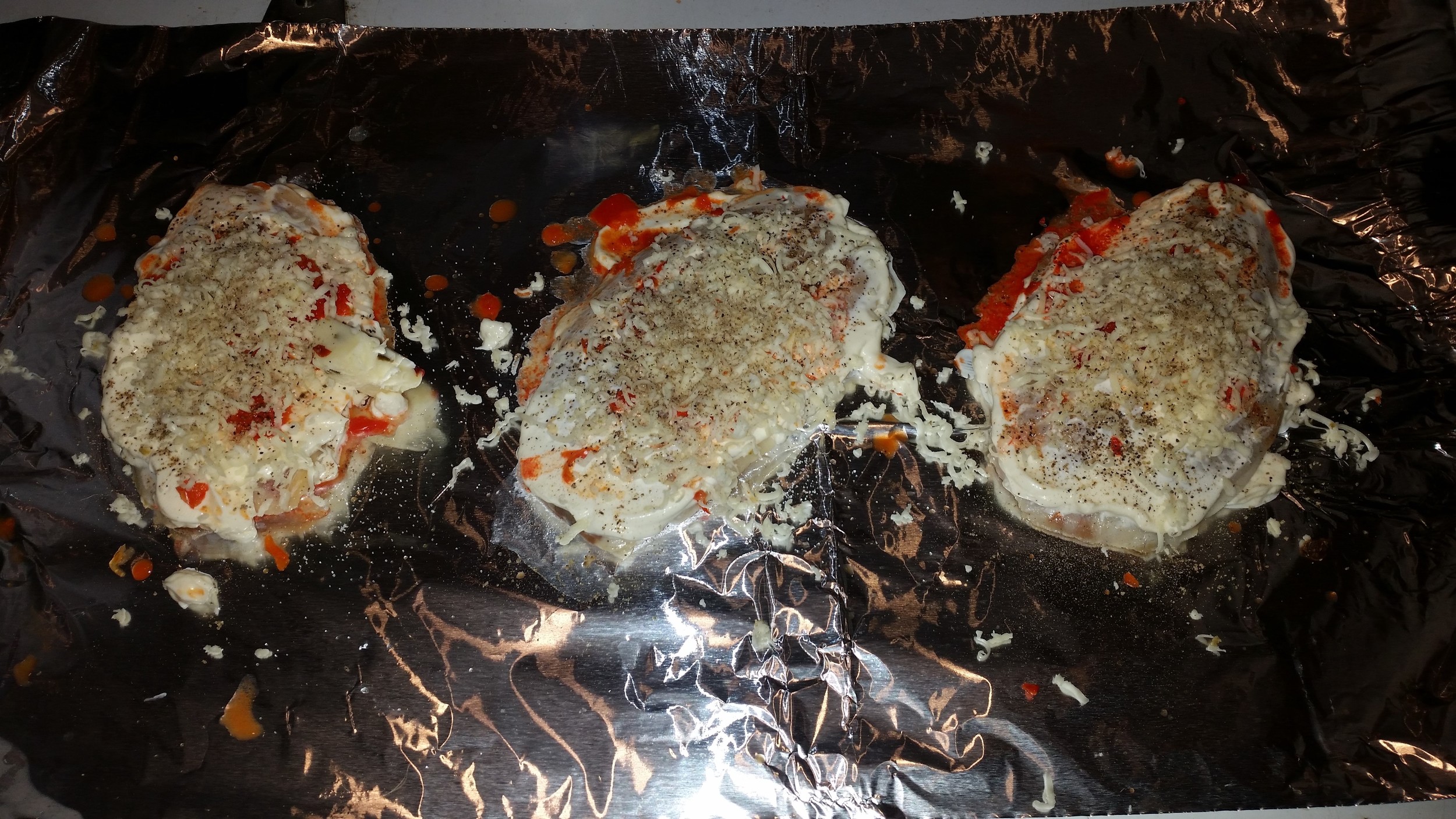
To make this meal, I simply laid out aluminum foil on the galley fridge top and began assembling the needed materials. I placed a small amount of mayonnaise on the foil where the fish would go, then added some fresh cracked pepper to the mayo. 

I then placed the fish on top and added some more mayo spread evenly over the fish, along with more pepper, a pinch of salt, some Worcestershire, grated bell pepper, and grated pepper jack cheese. 

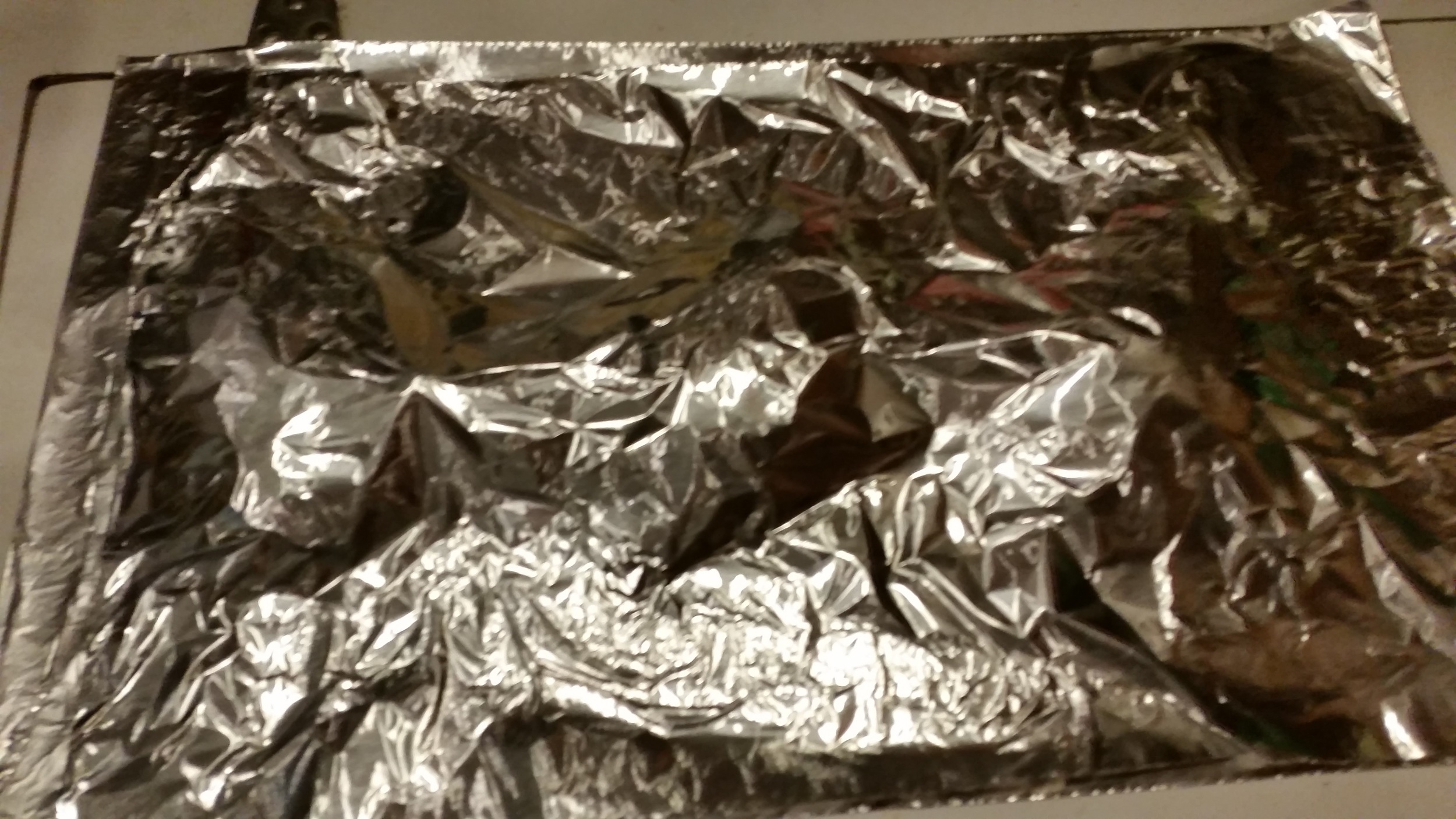
This was all then wrapped up in more foil and the edges folded over to avoid any leaking. 

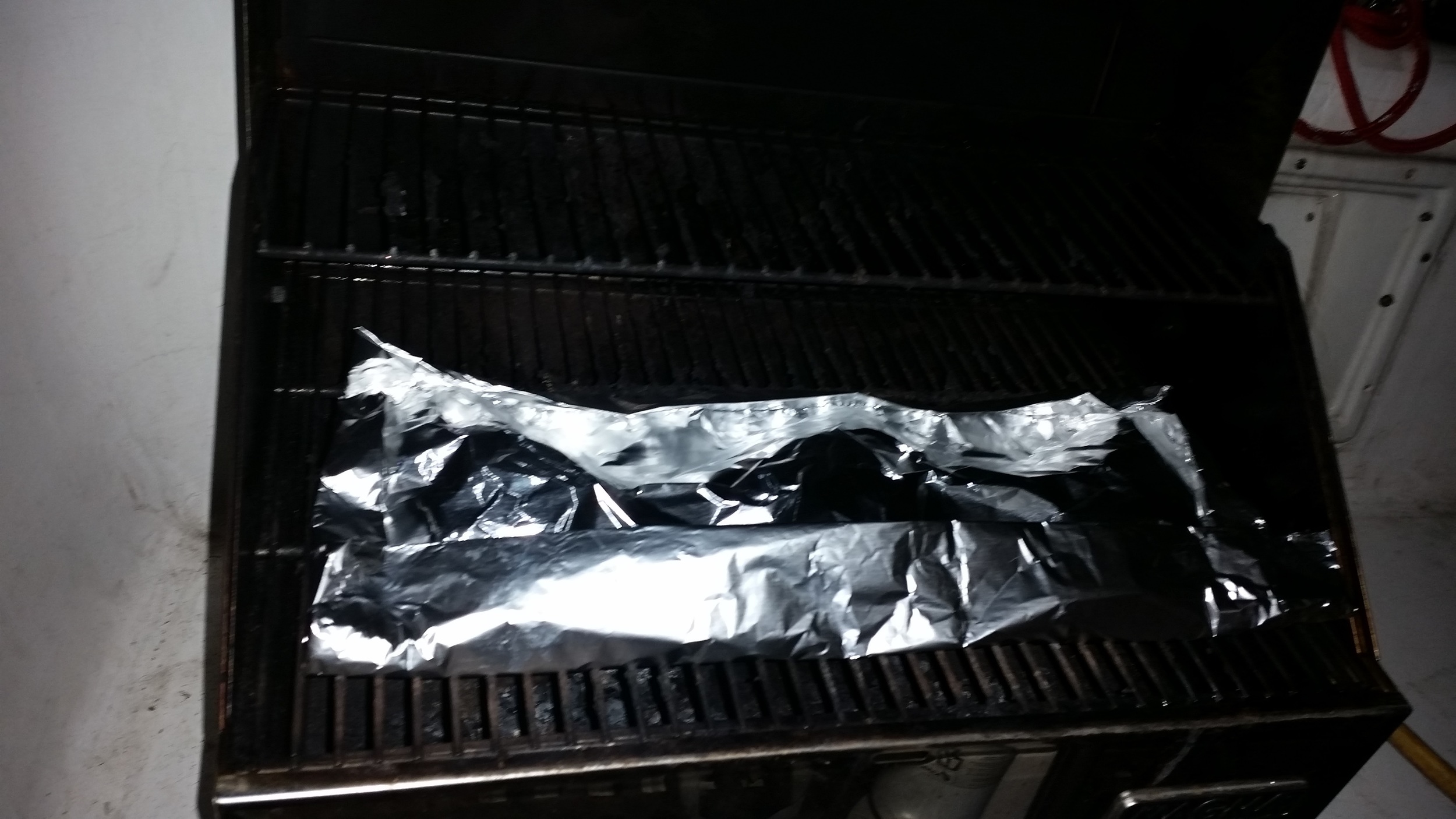
The whole assembly was then placed on the grill with low fire for 10 minutes. Then removed from the foil and enjoyed for a wonderful dinner aboard.

Choosing a Dinghy

Dinghies come in two flavors, hard and inflatable. When you look at a popular dinghy dock, it would appear that inflatable dinghies dominate the scene. Each type of dinghy has its advantages and disadvantages, it's just a matter of figuring out which advantages are important to you and which disadvantages you can live with. While inflatables are very popular, you should still decide for yourself what your needs are before you buy an inflatable like everyone else.

The major points of difference between the two camps have to deal with stability and propulsion.

Hard dinghies are easier to propel through the water, but are much more tender.

Inflatable dinghies are extremely stable, but are not as easy to propel through the water.

Hard dinghies are easily rowed in light weather, and can still be rowed with strenuous effort in heavy weather. Inflatable dinghies on the other hand can only be rowed when there is no wind present. If there is any wind, you may find it impossible to row towards weather. To combat this pitfall, inflatables are propelled via outboard motor.

Stability is the other great difference between the two camps. Hard dinghies are very tender and can tip if care is not taken when boarding or standing. Inflatable dinghies are extremely stable, allowing you to stand up and walk around on them without any fear of capsizing. If you stood on the gunwale of a rigid dinghy, the boat would tip over and swamp. Doing the same on an inflatable dinghy would be totally acceptable. You could easily stand on the gunwale and be fully supported by the inner tube's volume of air.

There are some other minor differences between the two that also play an important role in deciding which to use, these deal with longevity. Inflatable dinghies will be eaten up by the sun and begin to leak out air after a few years of use. Sand is another nuisance in inflatables, it will work its way into the folds in the fabric and chafe small pinholes in hard to repair areas. Hard dinghies on the other hand will hold up quite well in the sun and will not be destroyed by the ingress of sand. Hard dinghies will also do very well with frequent beach landings, though the bottom paint will suffer as well. 

Lastly, outboard motors on dinghies are a frequent topic of complaint from all of my cruising friends. At some point, repairs or replacement of their outboard will stir up furious emotions from within them. 

Finally, storage is a factor when it comes to dinghies. Soft bottom inflatables, which are not as popular as RIBs (Rigid Inflatable Boats), can be deflated and rolled up. This allows them to be stored tucked away in a lazarette when underway. RIBs and hard dinghies need to be stored somewhere on the boat, and they do take up a considerable amount of space. Some popular storage areas are in davits on the stern, or overturned on the deck. 

When you are looking for a dinghy to complement your cruising boat, look at the pros and cons of each. If you are torn between inflatable or hard, you can use this simple question as a tie breaker: 

Do you want to stress about outboards and sand or do you want to enjoy the beach?

Fixing a Burst Hose with Fancy Knots

A squall passed through and caused the boats in the marina to bounce around with the kicked up seas. This is not usually an issue, except that the water hose that I use to fill the tanks snagged on a cleat's horn, ripping the hose open and making it useless.

Some people would replace the entire hose, but the rest of it is just fine! I decided to cut out the torn section and reconnect the good ends using a double barbed fitting. The repair is going to be around ankle high and I didn't want anyone to snag themselves on a hose clamp, so I opted to use a much softer material: Rope!

I tied double constrictor knots over the barb section and pulled it tight by using two sticks with marlin spike hitches. This allowed me to use my full body strength to constrict the knots down, ensuring a leakless junction.

The true test came when I turned on the water and let the hose hold pressure. Not a drop came out of the junction! If you ever find yourself in a situation where a hoseclamp might not e the best choice, consider using a double constrictor knot instead.

Floating Pier vs Fixed Pier

When selecting a marina to stay in, sometimes you are presented with the options of Floating Piers and Fixed Piers. Does it make a significant difference for you? 

Fixed Piers are attached to pilings that are set into the sea floor. The pier is bolted to them and they provide a fixed and rigid surface to attach your boat. In areas with greater tidal variance, this can provide some complications. First of all, your docklines need to allow for the rise and fall of your vessel. Secondly, you will need to jump from your boat to the pier.

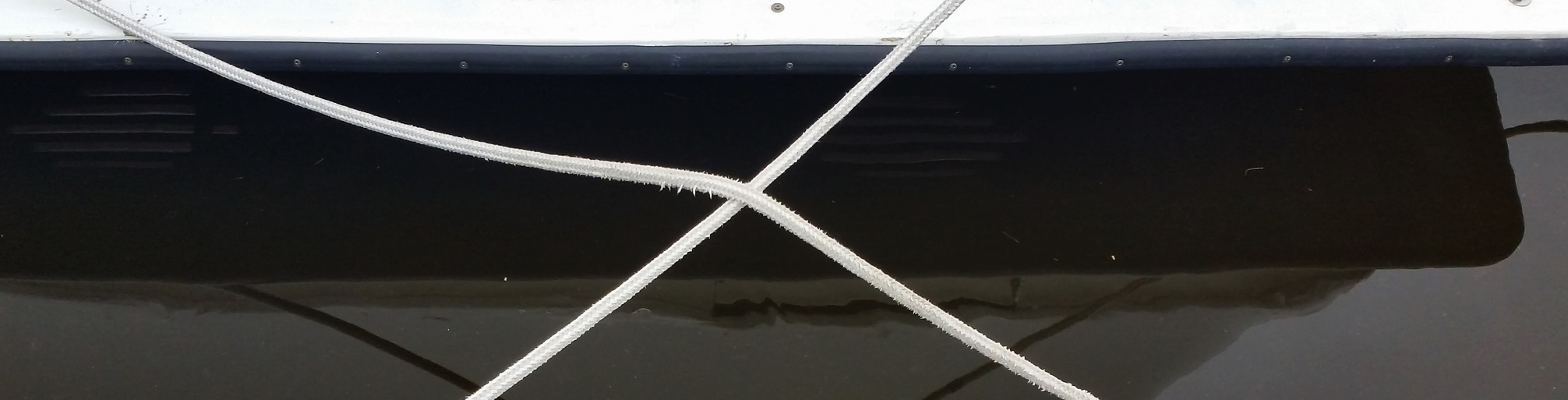
Setting your docklines to allow for tidal variations is crucial when tying up to a fixed pier. I have seen boats arrive at high tide and tie up with short lines. The tide went out and the sea level lowered by 4 feet, putting incredible strain on the docklines until the cleats ripped out of the boat. The owners had left for the day so we had to tie their boat to railing and seats to keep it from drifting off. Setting the docklines up in long crossing patters will allow for greater rise and fall of the vessel without putting stress on the lines and cleats.

This is at mid-tide. 

This is at mid-tide. 

The second issue with fixed piers comes when you try to board or leave your yacht. I am 6 feet tall, and I have had trouble getting off the deck of boats at low tide. The pier is set so high up to allow for spring tides that you can't reach the planks to get off your boat at low tide. On the contrary, I have also seen marinas that go underwater during very high tides. This poses many risks. If the power is not turned off, you can be electrocuted from the submerged shore power cables. The other risk comes from drowning; if you step off of the pier by accident (it's underwater so you can't always see it if the water is murky) you could fall in and drown. It is entertaining to see people "walking on water" when the pier is awash! 

As you can see, the pitfalls of a fixed pier all deal with areas where there is a great tidal variance. If you live somewhere where there is minimal tides, then a fixed pier will work wonderfully. If you are somewhere with great tidal variations, consider tying up to a floating pier.

Floating piers rise and fall with the tides and your boat. The pier will always be at the same height relative to your boat, so you don't have to worry about your docklines getting tight. The pier will never be towering overhead or submerged like a fixed pier either. It will always be a comfortable step away from your boat. While floating piers may sound like a magic bullet for docking tidal management, they do have one major pitfall. The floating piers work by rising and falling against fixed pilings. These pilings are very secure and allow the pier to effortlessly slide up and down as the tides rise and fall. The problem lies with the absolute height of the piling. If a storm surge causes the water level to rise higher than the tops of the pilings, the whole marina will be set adrift! For this reason, the pilings extend very far above the normal high tide. Even so, look for chafe marks on pilings in a floating marina; these are marks made during a storm when the water levels were very high. Our home marina in Fells Point has wear marks about 3 feet below the top of the piling. I'm sure that must have been stressful for the liveaboards at that time!

Having tied up to both, I personally love the convenience of a floating pier. When presented with the option, I almost always am willing to pay a little more per foot of docking to not worry about the tides!

To Cross or Not To Cross

When you tie up in a slip, you have the choice to cross the bow and stern lines or to run them straight. There are advantages to crossing in certain situations, but as with everything, there are drawbacks.

The reasons to cross the lines in the slip are to provide a longer line leading from the boat to the dock cleat. This longer line will provide more stretch as well as make tidal variations less sensitive. 

This sounds all well and good, but the problem that follows with crossed dock lines all pertain to chafe. The lines will lay in contact with each other as the boat moves around in the slip, causing the lines to rub against one another. If left unchecked, the lines could eventually chafe through causing the boat to drift into the pier and sustain damage.

The only time when crossed docklines are deemed mandatory are when you are tied up to a fixed pier in an area with a great tidal variation. Crossed docklines will provide the boat with the flexibility to rise and fall with the tide without threatening to rip the cleats out of your hull. Any other situation, crossing the docklines offers no advantage and only invites the issues associated with chafe.

While chafe can be prevented by supplying the lines with chafe covers located at the point of contact, it is best to avoid the problem all together if possible.

When tied to a floating pier, the pier and its cleats will rise and fall with the tide, along with your yacht. Crossed docklines will serve no advantage here.

If you need the additional length of line to help absorb shocks as your vessel moves about in the slip, the correct solution should not be to cross the docklines, but instead to select a dockline that offers more elasticity. I see people with all sorts of contraptions to offer elasticity in their double braid docklines, when the truth is they should use stretchier Three Strand Nylon which will offer all the stretch they would need. 

Next time you tie up to a pier, look at the situation before you cross your docklines. If you need to, then do it. If you don't actually need to, avoid crossing your lines and avoid all the problems of chafe that are associated with it.