Life Aboard

Diesel Heater

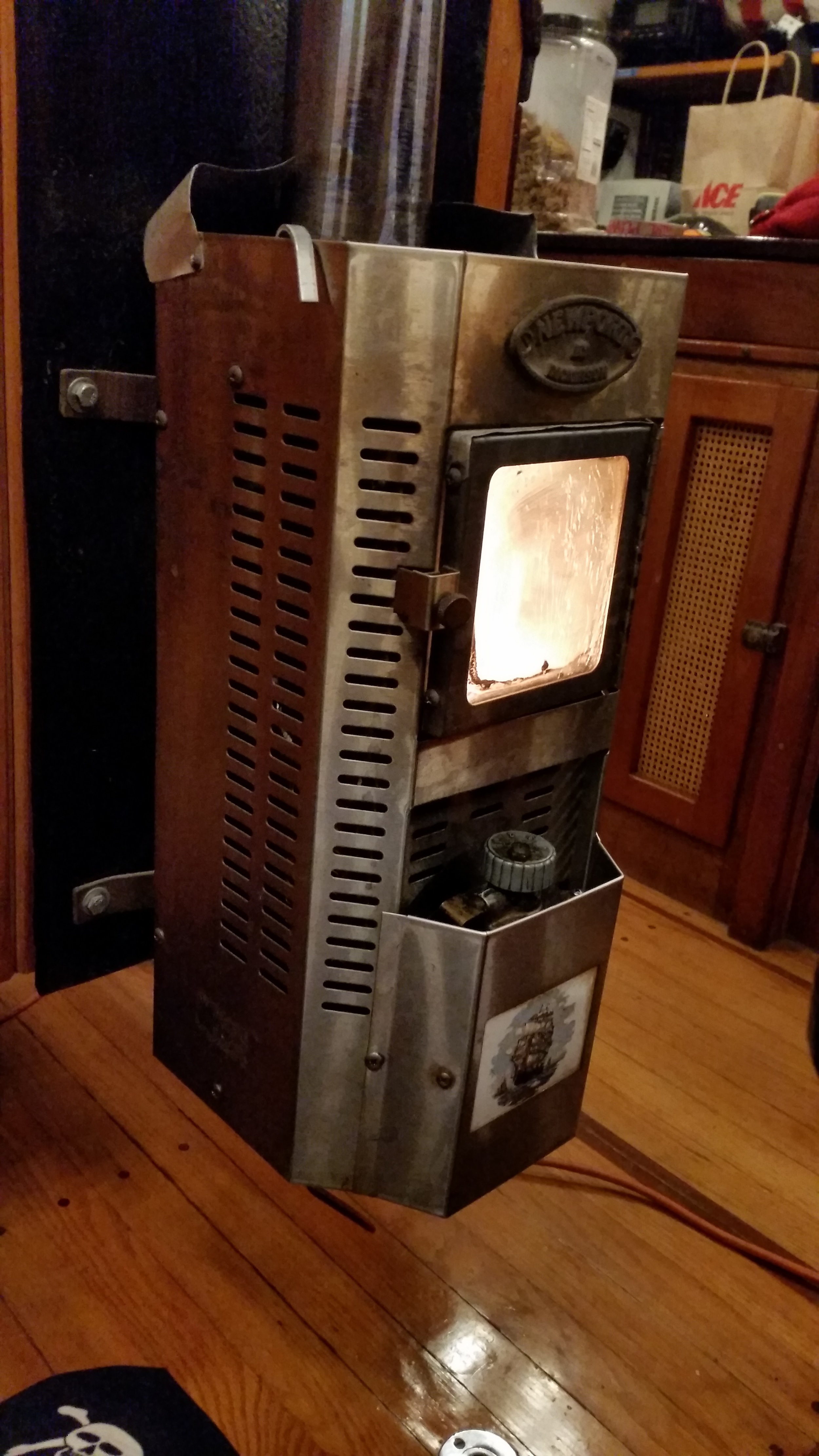
We held onto our large diesel tank when we converted the engine from diesel to electric because our diesel heater is the workhorse that keeps us warm in the dead of winter. 

Diesel heaters provide lots of dry heat! This is very important on a sailboat because condensation is a huge issue during the cold months. The air you exhale as well as the vapors from cooking is all full of moisture, and all the surfaces in the boat are cold. This leads to massive amounts of condensation, to the point where the ceiling will begin to drip on you! 
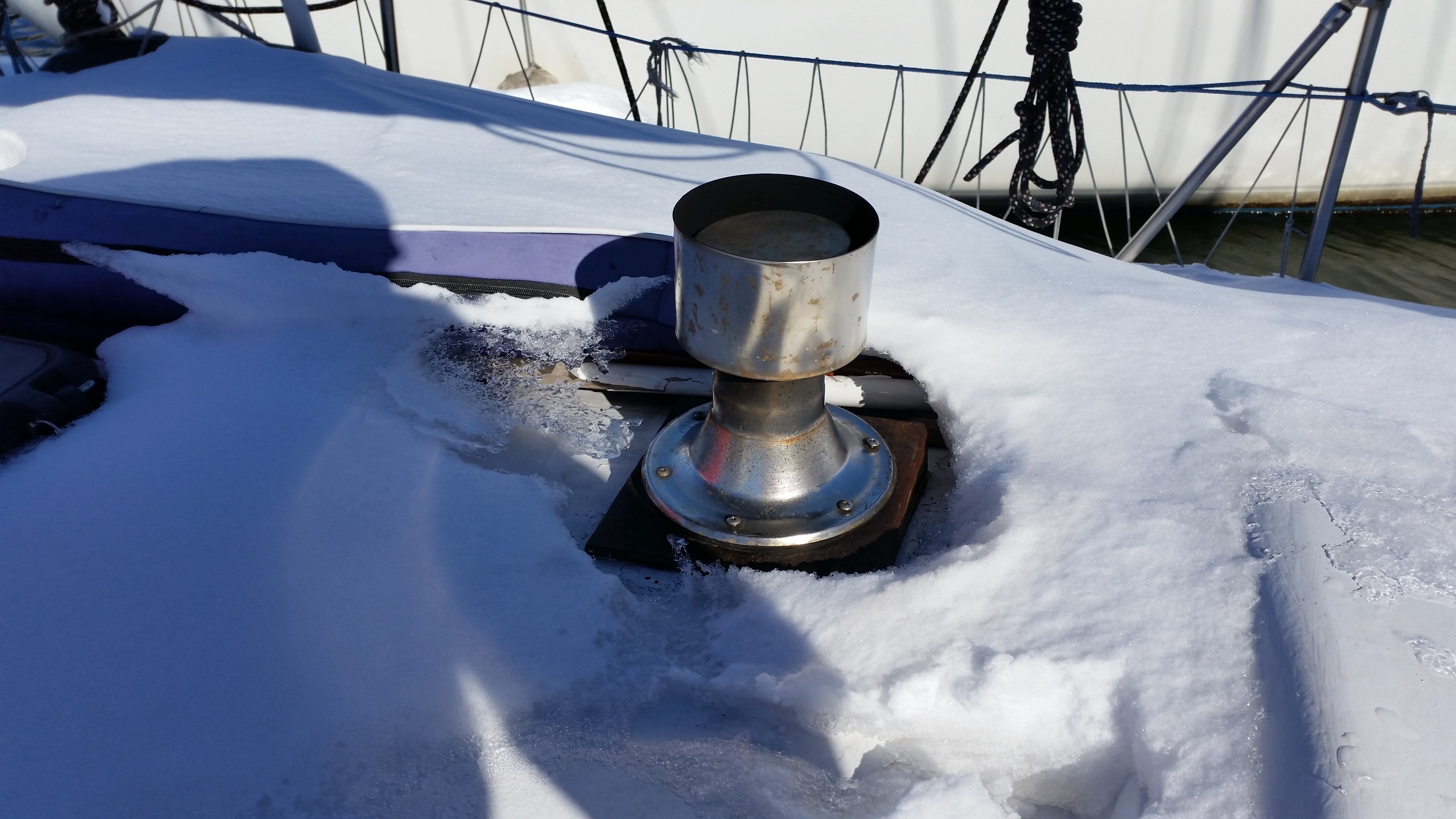
The secret to the diesel heater is it promotes a constant turnover of air in the boat. It burns the moist air inside the cabin and sends it out the chimney. This then draws in dry outside air into the cabin to replace it, keeping you warm and dry. 

This may sound like it defeats the purpose, bringing in cold air to a space you're trying to heat, but it doesn't. With the diesel heater running as our only heat source, the boat stays between 75F and 90F. We have actually had to open the hatches to cool off on frigid days because it got to hot inside!

The heater is not full proof, as it can have its temper tantrums. We call it "runaway diesel"! The temperature is controlled by a carburetor (think of it as a gas pedal on a car, if you hold your foot constant, it will slow up as you go uphill and speed out of control as you go downhill). The carburetor simply allows a certain amount of fuel to pass into the burning chamber. This sounds like it will keep a constant temperature, but it has a glitch. The fuel that it burns is in the cabin with us. As the boat warms up, so does the fuel; allowing it to flow faster through the carburetor. This makes it burn hotter since it gets more fuel, which makes the fuel flow even faster, which makes it burn even more fuel, making it hotter! I have had it runaway on me a few times, once it got up to 138F inside when it was 15F outside. It usually happens when we first turn the heater on. The fuel is cold, we are cold, and we just want it warm! We set the flame so it's burning nicely but forget to turn it down. A few days later, the fuel is all nice and warm and the runaway diesel is possible. To avoid this from happening, simply pay attention to the heater and keep the flame adjusted properly. It really happens because we forget to turn it down. Now that we are much more cognoscente of it and we keep an eye on it, it hasn't happened anymore.

One of the really cool selling points of this heater is it doesn't run on electricity! It has an electric fan to help it start a fire, but I never use it. It burns wonderfully and reliably! If the power goes out in the marina during an ice storm, we still have plenty of heat! Best of all, when we are anchored out and it feels a little chilly, we can fire it up to warm the cabin. 

Having reliable and non-electric dependent heat is wonderful, but as with all things on a boat, certain precautions must be taken. The heater produces a large flame, and the boat is made of wood and fiberglass. You are literally burning a flame inside of a closed tinder box! With the proper precautions, it goes from crazy to very safe.

The heater is going to get very hot, this is how it radiates its heat to the rest of the boat. Do not place it near wood or other objects, they will burn! You need a minimum of one foot around it and lots of airflow. The kink in this plan is the unit needs to be mounted to a bulkhead, so the use of an appropriate heat shield must be employed. The heat shield goes between the unit and the bulkhead, and it really works! I bought mine at ACE hardware and cut it down to size to fit my small space. I then crimped the metal to cover the exposed insulation (compressed saw dust). This shield really makes a difference. It hurts to place your hand between the heater and shield, but it's actually cool between the shield and the bulkhead.

The other important factor is the heater can runaway, in this case it can be too hot to get your hand on the carburetor to shut the heater off. Even if you did shut it off, the fuel is so thin that it can still slip through the carburetor, continuing the burn. For this reason, mount a gate valve below the unit (where it never gets hot) in the fuel line right before it enters the carburetor. When it runs away or begins to burn to hot, simply close the valve and wait for it to burn out. I also use this valve to shut it off whenever we want to turn it off. The carburetor can be set to the perfect temperature for comfort, so rather than trying to find that setting again, I shut it off with the valve and leave the carburetor set to perfection!
20160122_172916.jpg

Lastly, this is a fuel burning item in your boat and carbon monoxide (CO) should be of concern. Yes, the chimney takes all the exhaust outside and safely vents it away, but what if something goes wrong, or the chimney starts leaking inside? You need to have carbon monoxide sensors installed and maintained. We keep one close to the heater and another by our bed. 

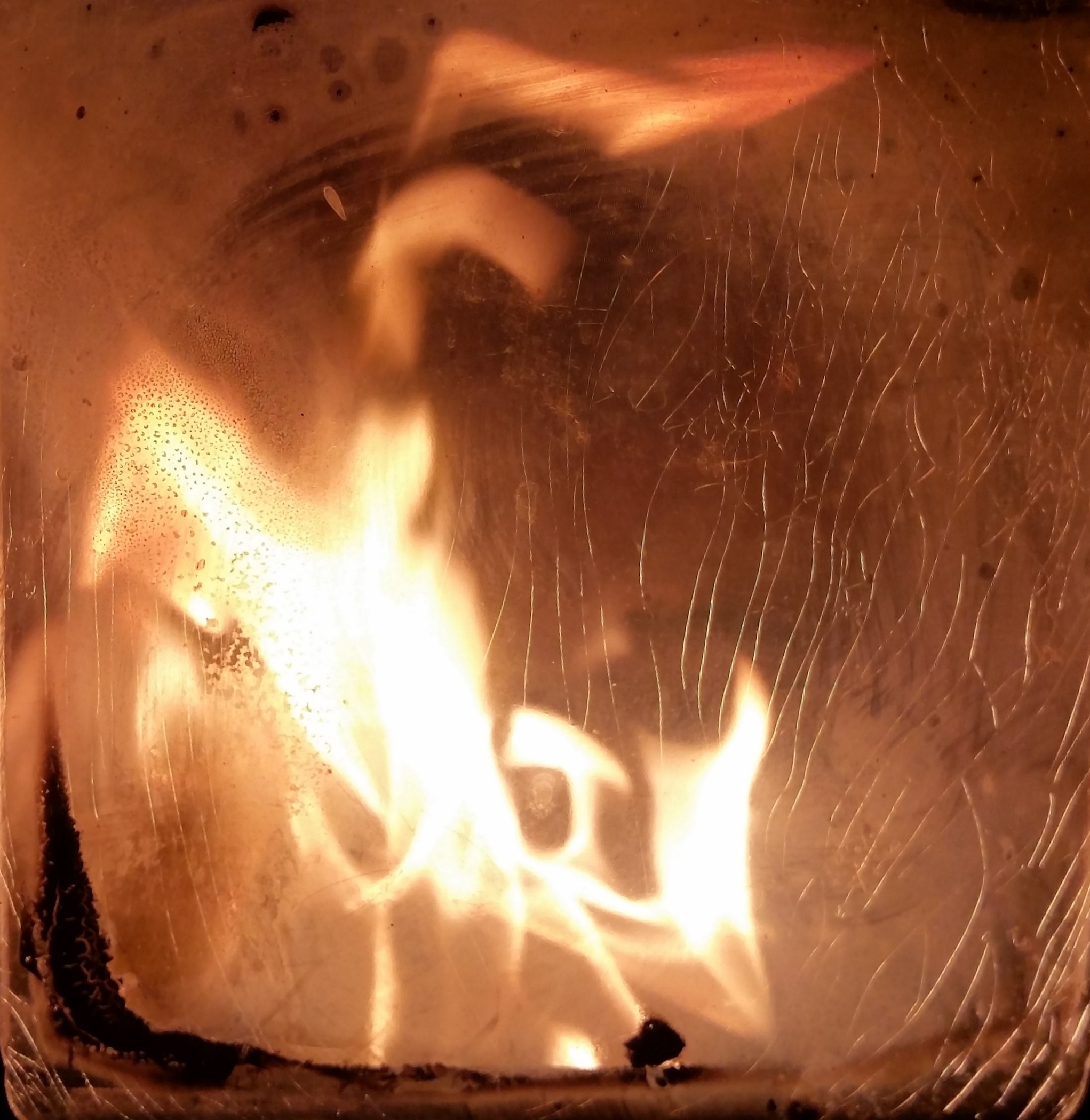
If you follow the safety instructions with the heater, you will find that it will produce a wonderful dry heat that will make you feel warm and cozy on the coldest of winter days. As an added bonus, you will also get to enjoy watching the flames dance behind the window into the heater! They make a very nice glow through the cabin at night. Not enough to keep you awake, but just enough to let you know that the fire is burning and you are warm.

Ice vs Snow

A common question I get asked is how the boat will fare during the snow. Quite well actually, it's the ice that concerns me!

Snow blows off the deck almost as quickly as it lands. Snow storms are usually accompanied by strong winds that keep the decks clear. If there is no wind, the snow will pile up evenly, and then blow off with the next wind. Ice on the other hand is a concern to me, it will build up on all exposed surfaces and add considerable weight. 

Ice will build on all surfaces, adding weight aloft and creating slick surfaces that are hard to walk on. This is where having sea worthy deck features pay huge dividends. On deck we have jacklines, hand holds, lifelines, and foot chocks to keep us from slipping and falling overboard. I wish we had bulwarks, but we don't, a small toe rail is all we have as our last line of defense on or canted deck.

The short trip from the cockpit to the gate may seem risky, but then you have to contend with walking the plank. Literally! The gangplank also suffers from ice buildup and the grain in the wood offers zero traction as you try to reach the pier. This is where the ratbars shine! 

Ratbars are the horizontal wooden bars on the gangplank that offer a positive stop to your foot. They are also used on lower shrouds to help you climb the mast to check for coral reefs and other obstructions (When they are made out of rope in the rigging, they are called ratlines). Ratbars will stop your foot from sliding down the gangplank, but you need to be certain that your foot is securely planted before you place your weight on it. 

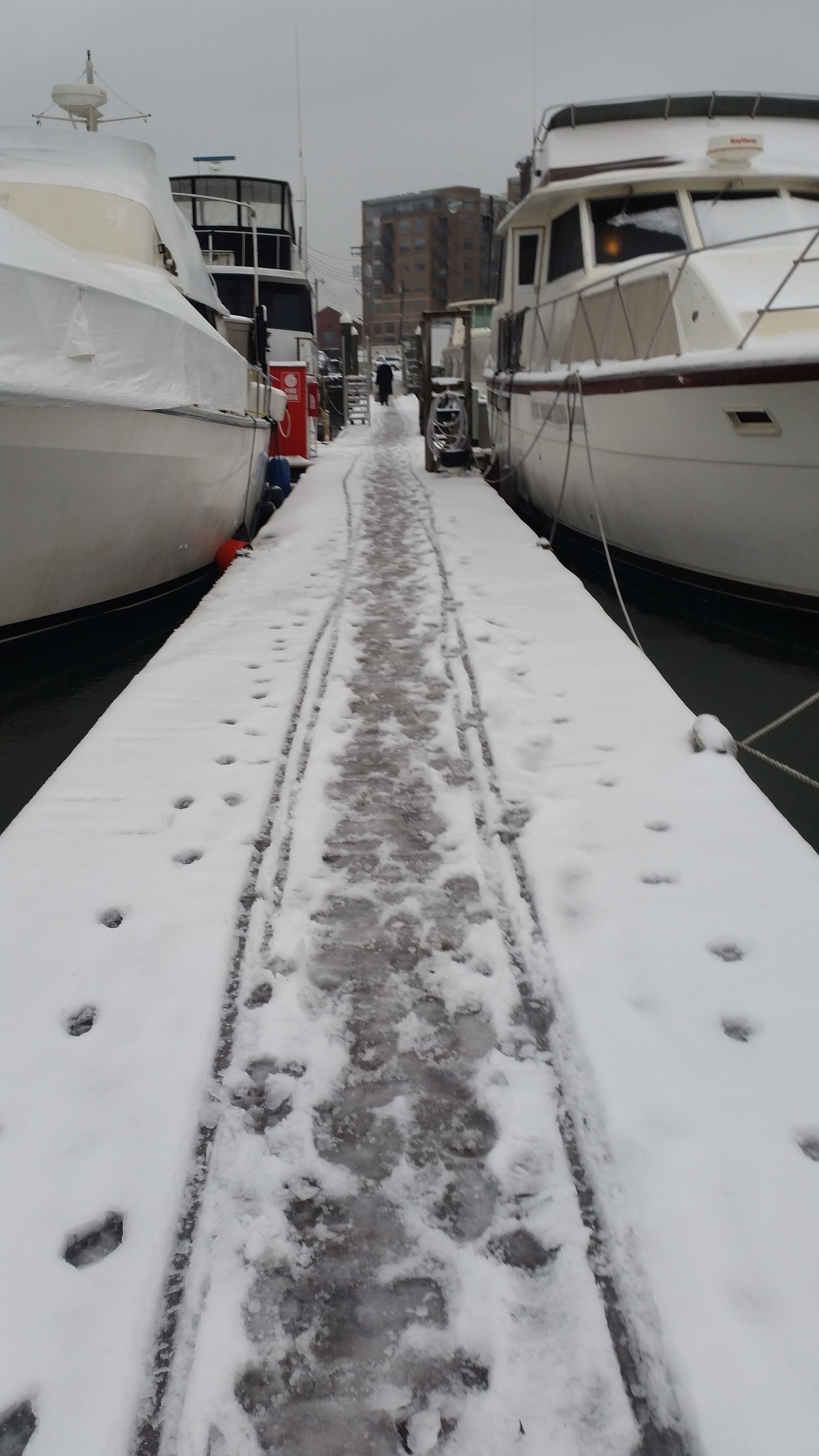
Once on the pier, the ice presents a slippery path to shore. Walking in the middle of the pier on the nails heads will provide some traction in this situation. You will find a better foot hold if there is snow on the pier as well. You can see the foot prints in the snow running down the center of the pier, as this is the safest way to traverse this type of terrain. 

When it snows, Maddie and I like to go out and play in the fresh powder with Morty. When it sleets or rains, turning to ice, we avoid going outside as much as possible. If you are considering living aboard and wondering how it will be in the winters, just remember that we all get used to it. 

My first winter aboard was an interesting one. I grew up in Puerto Rico where it was eternal summer. I moved to Maryland for Dental School and never experienced the snow because I was locked inside a building for 4 years studying. Then I graduated and was free! Living on a boat made the seasons even more apparent. There was no air conditioning or heat when I bought Wisdom, so I had to go adding the necessary heating systems as the seasons got colder. It started out with the baseboard heaters, followed by the space heaters, and lastly the diesel fireplace

Being prepared to accept the varied weather conditions is a must when transitioning to life aboard. Simply be careful and think ahead when you encounter a new weather conditions. After a while, walking on an ice covered pier or snow covered deck will seem like a normal part of life. It might seem insane to walk out to a boat in those conditions, but in time it will become the norm and you won't think anything of it. This is when life aboard really shines, you experience all of the benefits without letting any perceived negatives bring you down!

Valentine's Day Aboard

On cold days, Valentine's Day inside a toasty cabin is all the more special! I got Maddie flowers, and instead of chocolate (she is on a self-imposed wedding dress diet) I got her pistachios (her favorite snack). 

The arrangement on the table is to show her how I am working towards making life aboard more comfortable. The rope fender for the immediate comfort items, the books about boat building for the future comfort items. The flowers in the center are because she is the center of my world.

She is my love and I want her to enjoy every moment with me as much as I enjoy every moment with her!

Sammy's New Home

Sammy has finally gotten a larger cage that also fits in the boat! Sammy's original cage was a hamster cage that sat on the table and was tied to the bulkhead to keep it from sliding off when we would

heel over while sailing. This worked well for many years, until Maddie moved in.

Maddie was less then enthused about Sammy coming out of her cage and stealing things from her plate (Maddie doesn't share food). Sammy is also a bit of a messy eater, so the table in front of her cage would be littered with bird seeds. The cage was very small for Sammy, but the door was never closed on it, so I didn't feel bad. To keep Sammy at bay while we were eating, we began closing the door and trapping her inside the tiny cage.

I quickly brought Sammy's old cage (from when I lived in an apartment) to the boat. This behemoth didn't fit anywhere! It dwelled on the settee waiting for the next alternative to present itself.

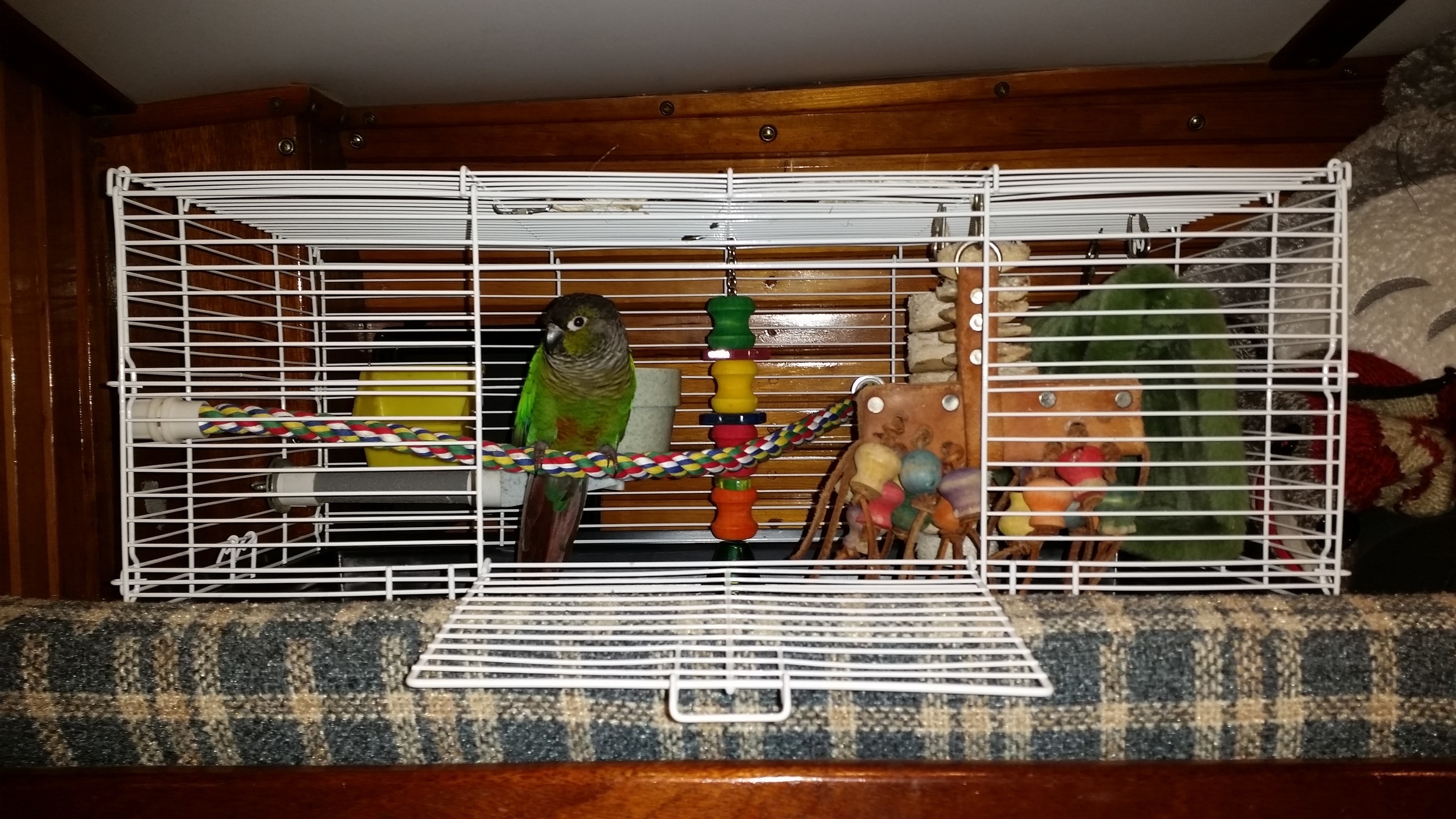
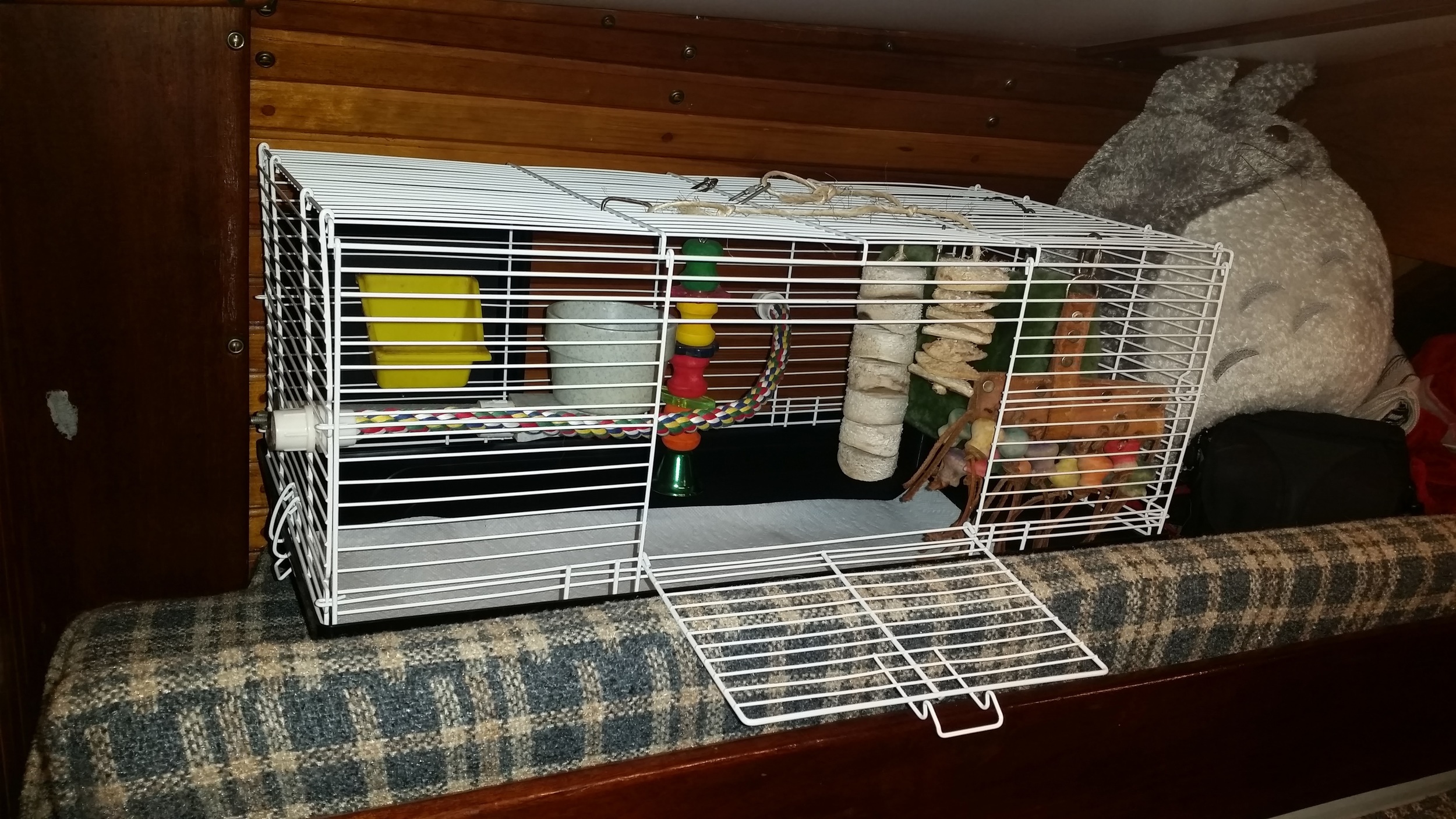
While wondering the halls of PetSmart, we came across a cage for rats! It was long, low, and would fit in the sea berth! The sea berth was cleared and we assembled Sammy's new home. It is filled with her toys, food and water dishes, and a bed; it is out of the draft from the A/C system, and hides behind the fiddles of the sea berth. 

This all translates into a good sized cage for Sammy, where she can eat, play, and sleep, in a cage that is secure and won't fall over when we go sailing!

Easy Water Temperature Readings

Water temperature is useful to know for a range of reasons. 

Do I want to go swimming?
Is there risk of ice forming overnight?
Do I need to shut down the reverse cycle heat pump?
Am I sailing in the Gulf Stream?

They sell fancy add-ons that connect to your chart plotter to tell you the water temperature, but these involve another hole in the hull and are rather costly. 

Another option is to drop a thermometer over the side and record the water temperature, but this runs the risk of loosing your thermometer and watching it float away in your wake.

Yet another option is to pull up a pail of water and drop a thermometer in there, this is both safest and cheapest. The water is a fresh sample, and the thermometer can not be separated form the yacht. The only downside is it involves a lot of effort to raise a pail of water and keep the pail from splashing everyone near it. If you are trying to cross the Gulf Stream, you want to know the water temperature, but conditions may not permit this endeavor; leaving you wondering what the water temperature is. Bet you wish you had the fancy sensor connected to your chart plotter now!

There is another way that is both inexpensive and relatively accurate. Installing an Indoor/Outdoor Thermometer in the boat with the "Outdoor Lead" attached to the hull low in the bilge. By covering the sensor with foam insulation, it will be insulated from the interior air temperature and will pick up the temperature of the fiberglass hull. 

This method will give you a relative idea of the water temperature that the boat is floating in since that will closely correlate to the hull temperature. 

The indoor/outdoor thermometer will provide you with an easy way to watch the water temperature while underway without out complicated processes or expensive equipment.

20160120_223519.jpg